
My last trip to Shanghai proved that Artificial Intelligence (AI) is not just “future-talk”. Back in 2014, while preparing a case study on Alibaba Group for my book on #Innovation, I received valuable support from Jack Ma’s office, its founder. At the time, I couldn’t have imagined how profoundly technology would evolve in just a decade.
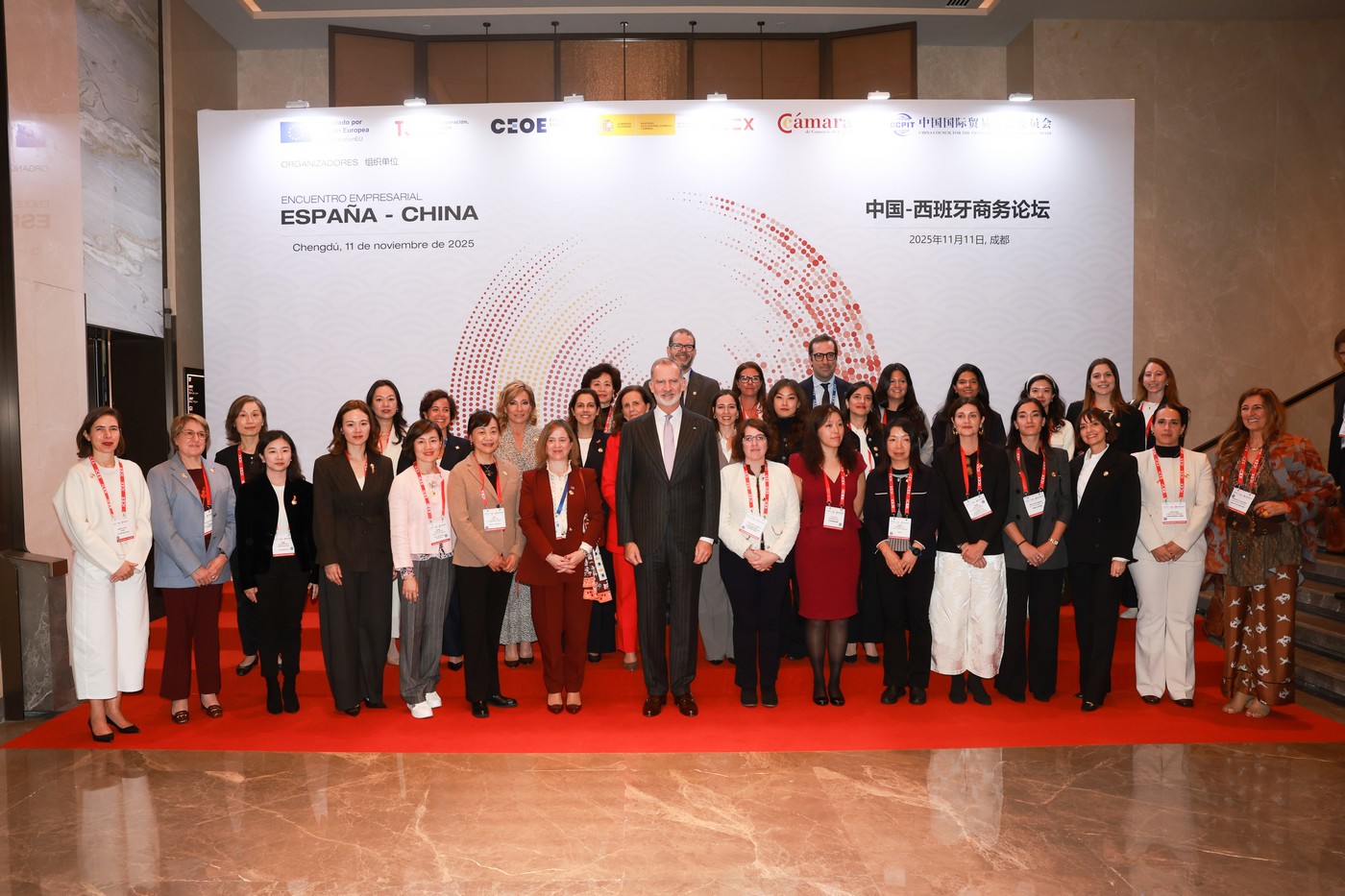
In 2025, I have seen autonomous bots delivering food in hotels, self-driving cars navigating complex streets, and learned about the AI-driven transformation of entire factories. This real-world application of AI framed perfectly the visit of the King and Queen of Spain, who met with Spanish companies operating in China, like Moeve (represented by María Fernanda Patiño).
This experience in Shanghai can illustrate my VILLA (Vision, Insight, Leverage, Launch, Adapt) #AI framework:
⚪ V – Vision: Strategic AI Priority
In Shanghai and across Chinese cities, leaders treat AI as an strategic priority, driving investments and setting long-term goals.
💡Inspiration: Projects in Shanghai, especially in autonomous electric vehicles (as BYD, Xiaomi Technology, etc.), showcase how urban planning and public services are being reimagined through AI.
⚪ I – Insight into Human Behavior: AI in Everyday Life
AI applications go beyond technology—AI is embedded into daily life.
💡Inspiration: Smart city solutions, such as AI-driven public services and robotaxis, respond in real time to human needs and habits, making daily routines more efficient and connected.
⚪ L – Leverage AI Ecosystem Innovation: Cross-Border Collaboration
The collaboration between local AI innovation hubs and emerging global ecosystems creates opportunities to co-develop innovative solutions.
💡Inspiration: The King of Spain’s visit to China highlighted the power of leveraging innovation ecosystems through strategic partnerships among countries, industries, and academia.
⚪ L – Launch Loved AI Products: From Lab to User
By focusing on market needs, AI initiatives rapidly bring innovations from prototypes to widely adopted products in sectors like healthcare, retail, and urban mobility.
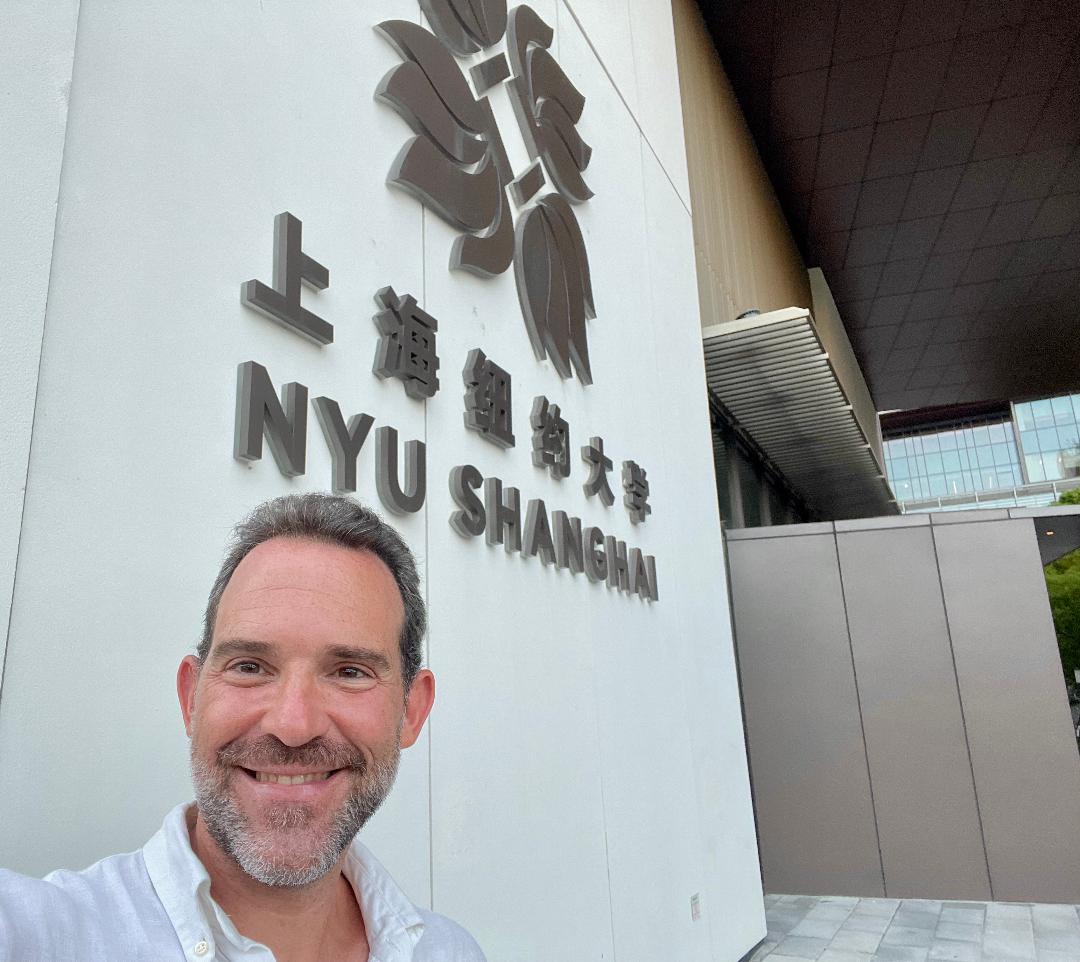
💡Inspiration: Shanghai’s “AI+” integrated approach, including institutions like NYU Shanghai‘s AI centers, exemplifies these real-world applications.
⚪ A – Adaptation: Speed and Scale
Perhaps the most critical element is the ability to rapidly scale AI solutions across regions and industries.
💡Inspiration: AI applications move from concept to mainstream adoption at extraordinary speed, supporting the evolution of sectors like e-commerce and digital payments (as Alipay).
👉 What do you think are the most critical factors that organizations worldwide should focus on to successfully scale AI solutions at this pace?

 Villaseca on Digital & Business